
Introduction: Why Food Waste Management Is Essential
Food waste and the management of organic waste are among the most pressing environmental challenges in modern urban areas. Every day, our households generate a massive amount of organic waste: vegetable peels, fruit scraps, coffee grounds, tea bags, and leftover food.
Unfortunately, instead of being recovered, a huge portion of this material still ends up in landfills or is buried. This disposal method produces harmful greenhouse gases. Fortunately, a simple, ecological, and accessible solution exists: composting.
If you want to adopt a lifestyle focused on sustainability and ecological transition, reducing your carbon footprint starts directly in your kitchen.
What Is Composting? (Understanding Organic Waste Recycling)
Definition of Composting
Composting is a natural biological process that converts and recovers organic matter. Through the action of microorganisms (bacteria, fungi) and small soil organisms (such as earthworms), waste decomposes and transforms into a humus-rich product: compost.
Why Composting Is Beneficial for the Environment
Sorting and recovering organic waste helps reduce methane emissions, promote a circular economy, and enrich soil naturally.
The Importance of Composting Food Scraps
Reducing Household Waste
Organic waste represents about 30% to 40% of household waste. Composting significantly reduces this volume.
Fighting Climate Change
Reducing organic waste lowers CO2 emissions linked to waste transport and treatment.
Improving Ecological Gardening
Compost improves soil fertility, water retention, and microbial biodiversity.
How to Start Composting at Home
Step 1: Collect Organic Waste
Place a small kitchen bin in your home to sort your food scraps.
| Accepted Materials | Materials to Avoid |
|---|---|
|
Fruit and vegetable peels Coffee grounds Tea bags Eggshells Garden waste |
Meat and fish Dairy products Fats and oils Plastics Diseased plants |
Step 2: Choose a Composting Method
Worm composting, bokashi, outdoor compost bin, or community composting depending on your space.
Step 3: Balance the Materials
Green materials: moist nitrogen-rich waste.
Brown materials: dry leaves, cardboard, paper.
Recommended ratio: 1 part green to 1.5–2 parts brown.
Step 4: Aeration and Moisture
The compost should be as moist as a wrung-out sponge and mixed regularly.
Step 5: Harvest the Compost
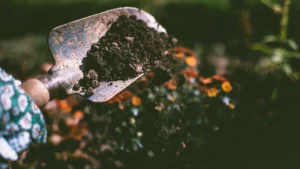
After 3 to 6 months, the compost is ready to use for plants and the garden.
Common Mistakes to Avoid
- Adding plastics or non-compostable waste
- Poor carbon/nitrogen balance
- Lack of regular aeration
Conclusion: A Small Gesture for a Big Impact
Composting is a simple and effective solution to reduce household waste and protect the environment. Transforming organic waste into a resource allows you to actively participate in ecological transition.
Adopting composting means taking action directly from your kitchen for a more sustainable future.